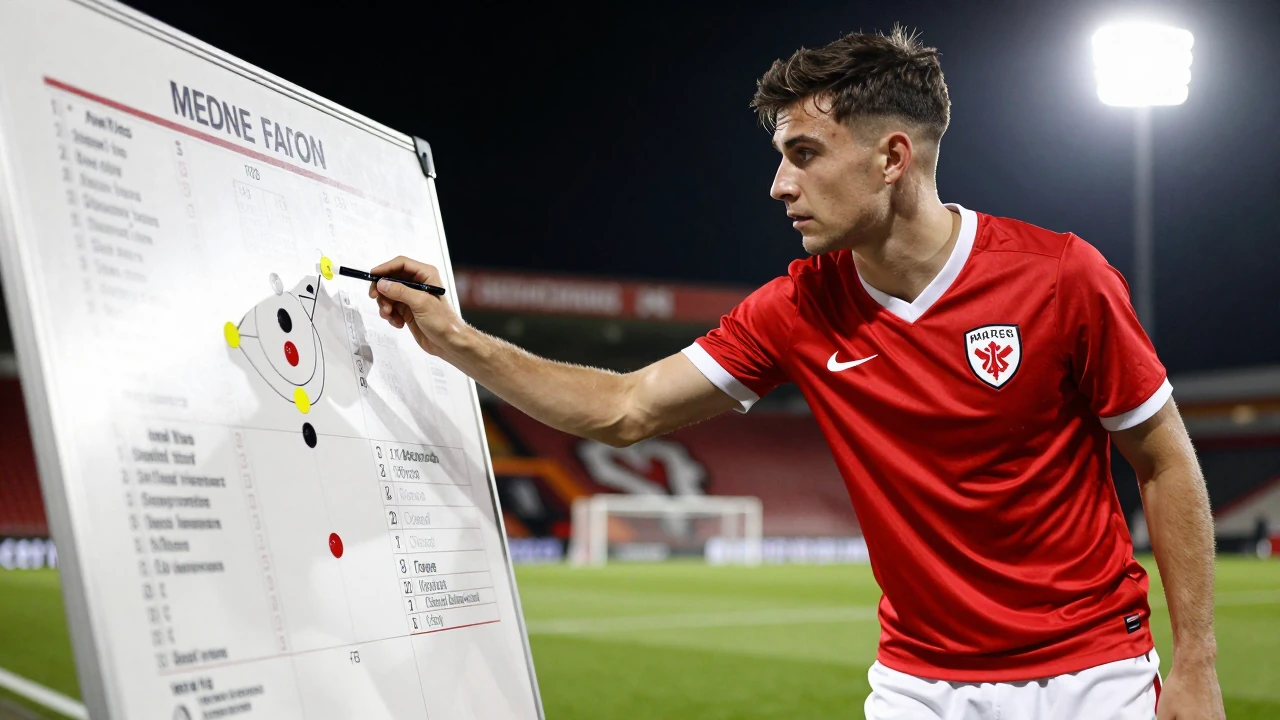

As Heart of Midlothian handle a challenging season in the league, their recent form has been a mixture of promising displays and frustrating inconsistencies. The team has demonstrated flashes of brilliance, yet the inability to maintain momentum has raised questions about their tactical setup and adaptability. In this analysis, we will look at the current tactical framework and suggest potential tweaks that could enhance Heart of Midlothian' performances moving forward.
Current Tactical Framework
In their recent matches, Heart of Midlothian have predominantly employed a 4-2-3-1 formation, which has allowed them to maintain a solid defensive structure while also providing width through their wingers. The double pivot in midfield has offered defensive stability, yet it has also led to a lack of dynamism in transition play. While players like Cammy Devlin and Beni Baningime are adept at breaking up opposition attacks, they often find themselves limited for progressing the ball forward quickly.
Suggested Tweaks
1. Shift to a 4-3-3 Formation One immediate tweak that could benefit Heart of Midlothian is a shift to a 4-3-3 formation. This change would allow for a more fluid midfield, enabling a third midfielder to join the attack. By having an additional body in the midfield, Heart of Midlothian could better control possession and create more goal-scoring opportunities. This formation also allows the wingers to cut inside more effectively, which could exploit the spaces left by opposing full-backs.
2. Increased Role for Wing-Backs Given the pace and stamina of players like Alex Cochrane and Michael Smith, encouraging them to push higher up the pitch could stretch the opposition and create overloads on the flanks. By integrating overlapping runs from the wing-backs, Heart of Midlothian can create more crossing opportunities and open up central spaces for their forwards to exploit. This tactical tweak would not only enhance the attacking threat but also provide defensive cover when the team is out of possession.
3. Flexible Forward Line Another area that could use adjustment is the forward line. Lawrence Shankland's departure has left a gap, and finding a way to use the talents of the remaining forwards like Josh Ginnelly and Steven Naismith is key. Implementing a more fluid attacking system, where forwards interchange positions and create unpredictability, could be key. Allowing players to rotate and switch roles could disorient opposing defenders and create better chances in the final third.
Adapting in Matches
Heart of Midlothian have at times struggled to adapt during matches, often sticking rigidly to their game plan even when it’s not working. A tactical tweak in approach during games could involve encouraging players to read the game better and adjust their positioning and pressing intensity according to the flow of the match. This adaptability could be the difference between securing vital points or dropping them in key fixtures.
Conclusion
As Heart of Midlothian aim to solidify their place in the league and push for higher ambitions, tactical adjustments are necessary to unlock the squad's full potential. By implementing a more dynamic formation, use wing-backs effectively, and fostering a flexible attacking strategy, Heart of Midlothian can enhance their performances and build the consistency needed to compete effectively in the league. The upcoming matches will be a key test to see if these tweaks can lead to the desired results.